The Ultimate Guide to the Right Label: Fabric vs Rubber vs Leather
What Are the 4 Different Types of Labelling?
Labeling your product may seem like a small detail, but it’s something that can change how customers view your brand drastically. Whether you’re making clothes, bags, furniture or accessories, that label is more than just identification: it’s branding, durability and user experience rolled into one.
In this in-depth guide, we’ll cover everything you need to know about fabric, rubber and leather labels; how to choose between them; the four labeling types; and why choosing the right material is crucial for any product maker.
You will also find useful links to quality label solutions from Abaya Logo, including metal furniture tags and rubber tags
In production and trade, labeling is mostly categorized under four headings:
1. Brand Labels: This shows either the trade name or logo. Recognizable, trusted, and familiar to consumers. Whether they’re made of woven, rubber or metal, their sole role is to enhance your brand.
2. Informational Labels: These products include instructions, care information, ingredients, and usage guidelines. They educate the customers on how to appropriately utilize or maintain the item.
3. Grade Labels: They are commonly found in industries like furniture, food and textiles where they signify a quality level or size designation.
4. Descriptive Labels: These emphasize things such as what the product is made of, special features or certifications (eg, “100% organic cotton,” “waterproof”).
There are different types that perform in different ways, and often a product will require more than one. The proper selection of material affects the color quality, clarity & durability of these labels.
Fabric Labels: Soft, Flexible and Perfect for clothing
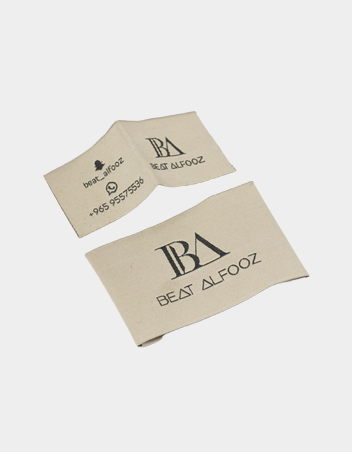
Woven Labels go along way, it is probably the most popular product within the clothing and textile industry. You can choose from woven, printed, cotton bases, polyester base or satin based fabric labels depending on your requirement.
Why Choose Fabric?
• A smooth hand (ideal for clothing)
• Cost-effective
• Highly customizable
• Durable through washing
• Easy to sew or heat-press
What Is the Ideal Material to Use for Labeling Clothing?
• Woven polyester is generally the best fabric for clothing labels. It offers:
• For logos and text high detail
• Strong color retention
• Exceptional durability
• Resistance to fraying and washing
For high-end clothing, you can opt for a satin or cotton label that will give you a premium feel and look but the drawback is these are more delicate than a woven polyester.
If you create clothing, consider adding fabric labels combined with branding statements like metal furniture style tags
can create a high-end finish.
Rubber Labels \- Tough, WaterProof And Big!
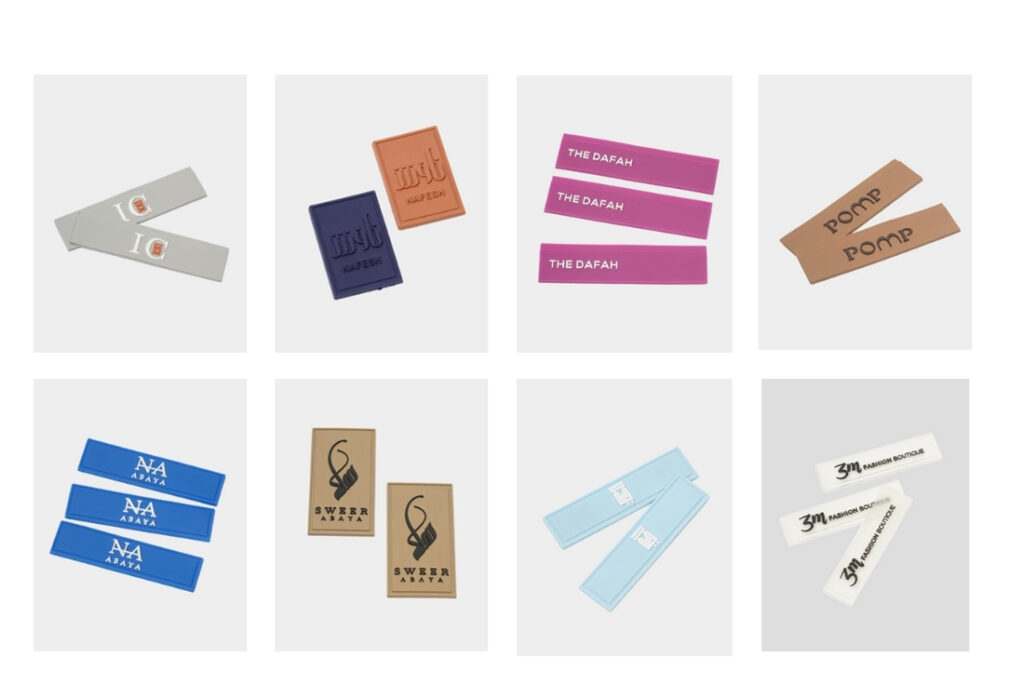
Rubber(pvc) labels are contemporary, bold, and very durable. They are particularly useful for products that require color and gloss retention, flexibility and outdoor durability.
Advantages of Rubber Labels
• Waterproof
• Resistant to heat and chemicals
• Highly customizable shapes and textures
Great for sports-wear, applications from bags and backpacks to hunting equipment and footwear
They’re durable and eye-catching, which is why so many brands put the patches on activewear or accessories. For custom designs, of high quality check out rubber tags at Abaya Logo

Leather Rustic Labels: Quality Rendering, Classy, Old-fashioned
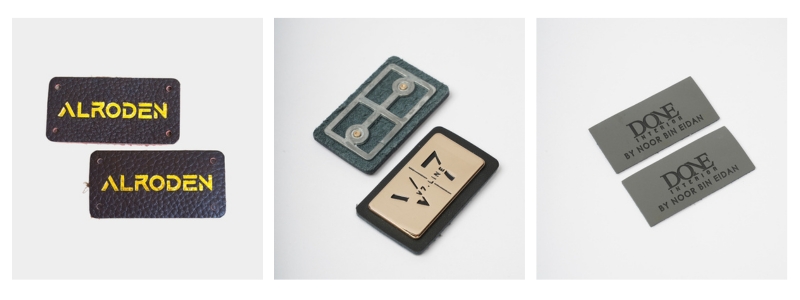
Leather tags will make your product stand out in a crowd. They are frequently seen adorning the denim, jackets, bags and shoes of well-off individuals.
Benefits of Leather Labels
• Luxurious appearance
• Long-lasting
• Suitable for embossing and engraving
• Adds a high-value aesthetic
Leather labels are available in real leather or faux leather which is eco-friendly. They are capable of capturing fine details and looking classy on garments or accessories.
How Much Does the Fabric Matter When Sewing Garments?
Choosing the right label material is just as impactful as choosing the fabric your garment is made from. Here’s why:
✔ Comfort Matters: A scratchy tag will ruin the wearing experience. And the softness of fabrics like satin or woven polyester helps to stop irritation.
✔ Durability Reflects Your Brand: If your garment label wears down or peels off, some may think that your entire product is low quality, even if the product that they purchased was good.
✔ The Echo of Your Brand Identity Should be Audible: Your label carries your logo. You need the maximum level of clarity, sharpness and color accuracy for brand recognition.
✔ Functionality Depends on Material: Outdoor gear labels are apt to require waterproof (rubber), and high fashion may call for leather. Fabric labels may be needed for children’s clothing.
In short: Your label is part of your brand’s first impression—and forever impression. It’s a small investment with a big payoff when you choose the correct one.

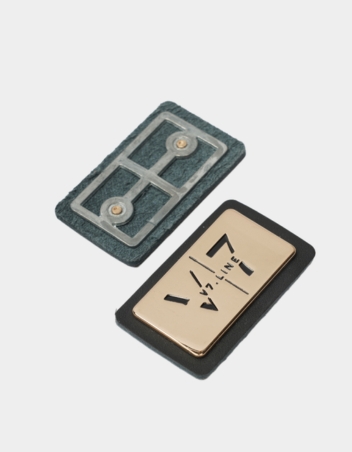
Fabric vs. Rubber vs. Leather Labels: Which One is Right for You?
Here’s a quick look to help you decide:
Label Type Best For Pros Cons
Fabric Clothing, baby clothes fabric for everyday use Smooth, strong and affordable Few patterns to choose from
Rubber Sportswear, rucksacks and bags, outerwear Waterproof, bright colors can be achieved when pigmented, flexible Not suitable for soft fabrics
Leather Jeans, fashion, bags Premium aesthetic, less wear and tear More expensive; not waterproof
Labels are more than just a label — they are a powerful branding tool. Fabric, Rubber or Leather: The label that works best for you will be influenced by your brand’s aesthetic, the function of your product and customer expectations.
Final Thoughts
abayalogo A trusted supplier of custom clothing labels, we produce and supply them to you, custom made according to your preferences. From design consulting through to post sales customer support it’s all covered one on one. You can be in touch with us anytime through email or Whatsapp and we reply promptly.
High-end clothing lines differentiate themselves with delicate labelling accents. We offer clear logos, sharp textures and lasting finish on every label-material by using more advanced weaving, embossing, printing for laser cutting procedures. Our labels are produced with environmentally-friendly materials and we have completed rigorous testing to ensure that they perform in a consistent and reliable manner.