Eco-Friendly Label Materials: What Brands Need to Know in 2025
Sustainability is now a fundamental consideration of the brands consumers support, and in 2025, the impact was felt like never before. In today’s world, for fashion brands, producers & product-based companies, eco-friendly labeling is anything but optional. It’s at the heart of brand identity, environmental responsibility, and global compliance standards.
And if your brand wants to keep up with the ever-increasing expectations, you need to know what sustainable label materials are all about. In this post, we’ll examine the top sustainable options, the fundamentals of green packaging, industry highlights to know now, and what’s next in the world of labels. For brands that are ready to start moving into sustainable labels, consider our custom eco-friendly options at Abaya Logo
What Is an Eco-Friendly Label?

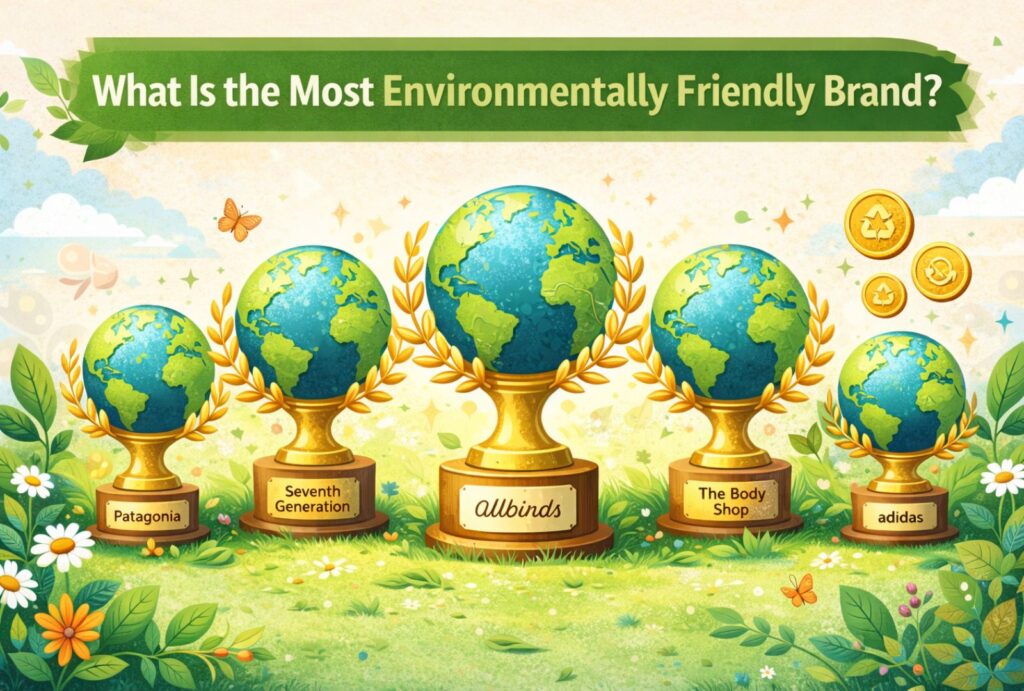
What Is the Most Environmentally Friendly Brand?
There’s not one “most eco-friendly brand in the world,” as sustainability is a combination of many things: carbon footprint, supply chain ethics, materials that are recyclable and/or eco-friendly, use of renewable energy, and transparency.
That said, some of the perennially honored companies were
Patagonia—leaders in recycled materials and fixing culture
Allbirds – prioritizes carbon labeling and natural materials
Eileen Fisher – circular fashion programmes and take-back schemes
If for no other reason, so as to not leave someone hanging.
With that being said, even the smallest and biggest of brands can be eco-friendly by using responsible materials like sustainable labels. Making the switch from your label materials is one of the simplest and most influential things you can do to green up your act.
The Best Eco-Friendly Fabric Label Materials in 2025
1. Organic Cotton: Best overall pick for luxe clothing—soft, degradable, and chemical-free.
2. Recycled Woven Labels: Constructed from recycled polyester, they provide the same durability without using virgin plastics.
3. Tencel Labels: Made from sustainably harvested wood pulp and developed with a closed-loop process.
4. Bamboo & Hemp: Rapidly renewable and ideal for minimalist natural branding.
If you would like to order sustainable fabric labels in small or large quantities, visit us online at Abaya Logo Fabric Labels.
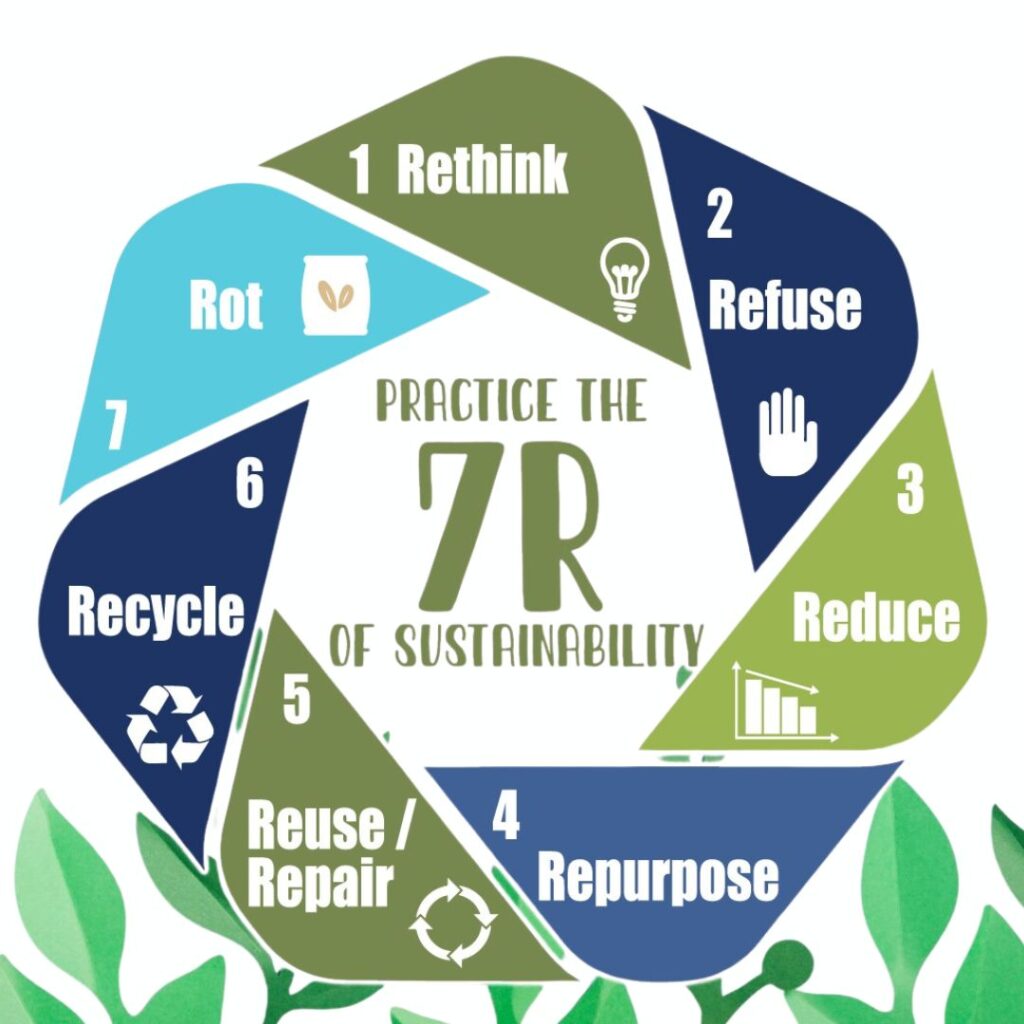
So, What Are the 7 R’s of Sustainable Packaging?
Contemporary sustainability frameworks instruct brands on how to avoid waste and minimize harm to the environment. The 7 R’s of sustainable packaging:
1. Rethink: Assess how packaging and labelling can be redesigned sustainably.
2. Refuse: Stay away from materials that are bad for the environment, like virgin plastics.
3. Reduce: Use less but do not sacrifice durability.
4. Reuse: Go for packaging and labels that are multiuse.
5. Repair: Design products and packaging that promote longevity.
6. Repurpose: Create packaging that customers can reimagine for new purposes.
7. Recycle: Make sure all materials, including the label, can be returned to the circular economy.
Sustainable labels directly to support at least five of these principles.
What Is the 2025 Sustainable Packaging Consumer Report?
Source The 2025 Sustainable Packaging Consumer Report cites industry prerelease insights indicating that:
• It’s becoming less unpopular for customers to buy recycled or biodegradable products.”
• There’s no doubt that eco-friendly packaging can affect what people buy.
• Transparency around materials (even just on fabric labels) builds trust.
• Brands that offer sustainable packaging enjoy greater customer loyalty.
• All around the world, countries are cracking down on everything from textile waste to packaging.
These findings show that sustainable labels are not just a trend — they can become an advantage in terms of business results.
The Importance of Ethical Labels for Your Brand in 2025
1. Consumers Demand Transparency
Shoppers want to know:
• What materiado ls you use
• Where they come from
• How they impact the environment
Eco-friendly labels reflect this honesty.
2. Regulatory Requirements Are Increasing: 2030 environmental targets, EPR and textile recycling laws are forcing brands to get greener materials in now.
3. Enhances Brand Reputation: The use of a word says everything about one’s readiness to commit and assume responsibility.
4. Reduces Long-Term Costs: Responsible sourcing frequently reduces waste and increases efficiency.
5. Aligns with Brand Storytelling: Natural fibers and recycled materials give brands a platform to signal authenticity and values.
Other Environmentally Sustainable Label Materials to Think About

Other Environmentally Sustainable Label Materials to Think About
1. Cork Labels: Lightweight, biodegradable and chic — favored by artisanal brands.
2. Apple Leather Labels: Constructed of apple waste – a leading trend in vegan fashion.
3. Pineapple Fiber Labels: Strong, stylish, and entirely plant-based.
4. Bioplastic Labels: Made from renewable resources such as sugarcane or corn.
Upcycled Textile Labels
Upcycling factory offcuts prevents the waste of textile on an industry level.