
Why Investing in High-Quality Metal Accessories Reduces Long-Term Product Costs
In fashion, furniture, manufacturing and high-end product design brands metal accessories fulfil an important function in both usage and aesthetics. With items such as metal tags, buttons and custom badges to cufflinks and furniture tags can have a strong impact on product lifetime, customer perception and overall the products value.
Although budget metal accents might look like a tempting alternative, it’s worth noting that high quality Metal Accessories can help save longterm costs with reduced replacements, product failures and enhance brand professionalism. Check out Abaya Logo to discover luxury metal choices for your brand.
Durability: The Foundation of Long-Term Savings
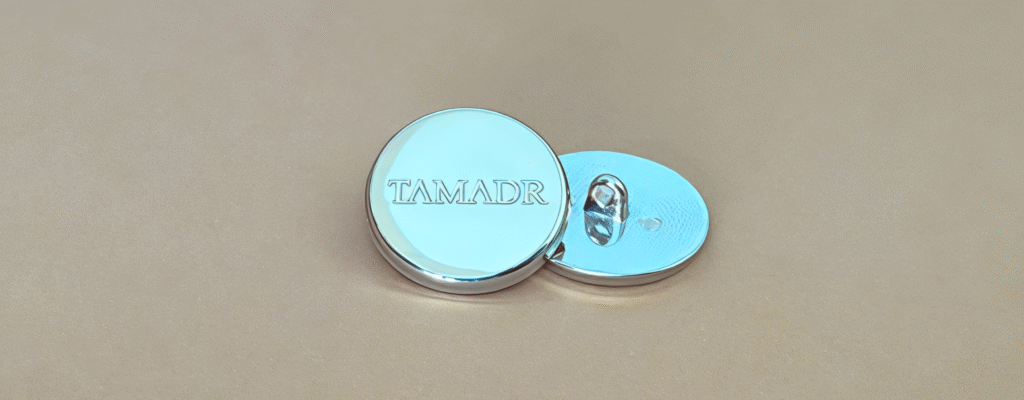
The greatest benefit of purchasing quality metal accessories is durability. High-quality metals withstand:
• Daily wear and tear
• Moisture, sweat, and outdoor exposure
• Corrosion and tarnishing
• Weight and repeated stress
Whether a metal tag on a handbag, button on a coat or furniture tab on a sofa, it is the material strength that determines the life time of the product.
Easily the cheap metals deteriorate, bend or fade often causing replacements, redesign of products and customer complaints to avoid returns. On the flip side, precious metals are low-maintenance, surviving and looking good years later.
Discover some quality metal branding pieces at:
Metal Tags
Metal Buttons
Replacement Reduction: Saving Money Over Time
The making of a metal button is in fact an intricate process involving many steps combining engineering with the art of craftsmanship. Here’s an inside look at how the system operates:
Mold & Die Creation
It all starts with a custom mold — a metal pocket that imparts the button’s shape and details. Mold engineers rely on CNC machines to cut ultra-precise molds that melt metal will fill.
Metal Casting or Stamping

Budget parts tend to break — at times, even before your product gets in the hands of customers. Inexpensive metal accessories increase the long-term costs, where as high-quality ones save you money because they:
✔ Last significantly longer
Good metals like stainless steel zinc alloy, brass and premium aluminum are not easily broken.
✔ Reduce return rates
Damaged or accessories that tarnished are the leading causes for returns. Premium metals prevent these issues.
✔ Improve brand trust
Products that last longer are easier to resell customers.
✔ Lower manufacturing waste
Harder metals result in less “bad” inventory and fewer production delays.
For brands specializing in luxury clothing or uniforms, upping the quality of even slightly pricier fasteners can result in repair and replacement costs that are 60% lower over time.
If your brand requires hardy identity pieces, then think about:
Metal Badges
Metal Cufflinks
Professional Appearance: Creating Premium Brand Value
It’s all about image.. It is the perception of value that customers associate to a product based on its appearance and feel. High end metal accessories add value and elegance to your brand:
- A luxurious, premium aesthetic: High-gloss touches, embossed elements and defined edges are instant signs that say ‘quality’.
- Consistent branding: Metal fittings can be personalised with your logos, patterns and finishes to suit your identity.
- Enhanced customer trust: When a product is solid and well made, customers see your brand as being solid and of high quality.
- Memorability: A unique metal badge or tag, is part of your brand signature.
For premium design elements, explore:
Metal Furniture Tags
What Are the Benefits of Metal?

The use of metal is common in various industries due to the following advantages:
• High durability
• Heat, water and corrosion resistant
• High tensile strength
• Long lifespan
• Premium appearance
• Recyclability
• Versatile finishing options
These benefits make metal perfect for products that need to be strong and good looking like clothing accessories, furniture labeling.
What Are the Advantages and Disadvantages of Metal?
Advantages
• Extremely strong and durable
• Engraving, Polishing, Plating and Molding available
• Does not degrade quickly
• Gives products an upscale look
• Excellent for branding
Disadvantages
• Upfront cost is higher than plastic or wood
• A little weightier, depending on the metal.
• When left unpolished, some metals may experience corrosion
But the long-term benefits easily outweigh the downsides — especially in terms of saving money.
What Is the Importance of Metal Works?
Metal works are important in industry and marketing. They provide:
✔ Structural strength
In furniture, bags and clothing, metal components are what keep the product together.
✔ Visual identity
A metal badge of your logo adds to brand recollection.
✔ Functional performance
Metal buttons, fittings, buckles and closures do better to last the longest.
✔ Product security
Metal tags or hardware easily discourage tampering or unauthorised removal.
This is why metal works is indispensable for any product that relies on the combination of strength and aesthetics.
Why Are Precious Metals Not a Good Investment?
(In product design — not finances.)
Because in product manufacturing, precious metals like gold or silver have their limitations:
- They are costly and add a great deal to production costs.
- They are flexible and they could be deformed.
- They need care and can tarnish.
- They may not be stronger than zinc alloy, stainless steel, and brass.
For branding and accessories, eco-friendly value metals (non-precious) are more feasible, accessible and sustainable.